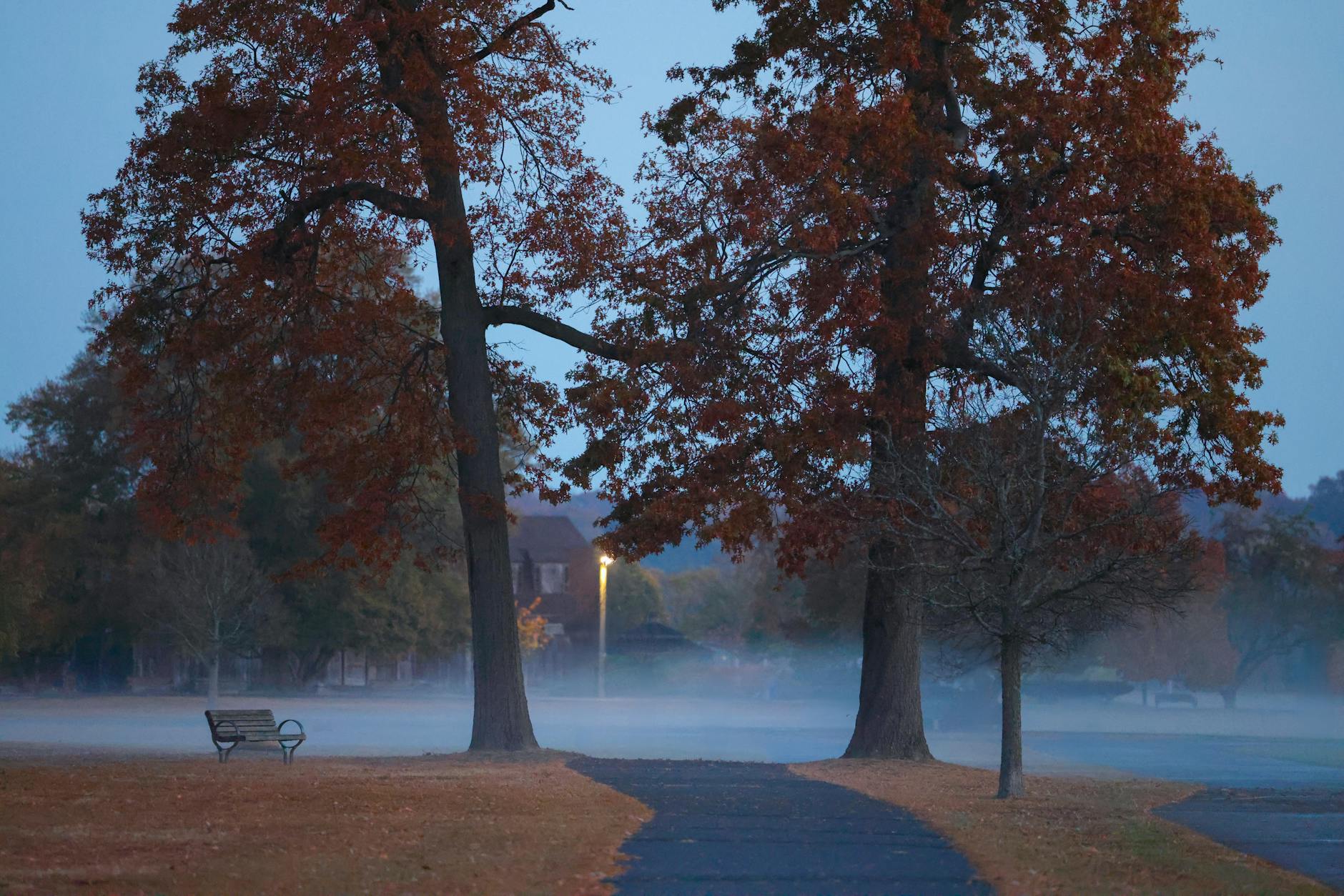
Morning mist in a Paris park. Gravel underfoot. A bench damp with yesterday’s rain. I dream I am walking with Jean Baudrillard, the air faintly metallic, autumn leaves arranged like unfinished sentences. Election year in Aotearoa New Zealand, I tell him. Stakes high. Voices louder than usual.
He smiles, almost indulgently. “Louder does not mean deeper.”
I begin with the government. National stages competence: fiscal rectitude, order, managerial calm. Baudrillard nods. “Administration as aesthetic. The performance of seriousness.” ACT sharpens edges, speaks of referenda, principles, clarity. “The pleasure of sharp signs,” he says. “Decisiveness as image.” New Zealand First performs ballast, nostalgia, seasoned guardianship. “The theatre of continuity,” he murmurs, “a simulation of sovereign steadiness in a fragmented field.”
We cross a narrow bridge. I kick a pebble; it strikes the iron railing with a sharp clang that lingers in the morning air.
I move to Labour. Compassion institutionalised, empathy codified. He tilts his head. “Compassion as procedural language. Consultation as circulating sign.” The Greens carry urgency, justice, climate, ethical voltage. He watches a leaf fall. “High moral intensity. Necessary perhaps. But intensity also travels as media current.” And then Te Pāti Māori, sovereignty spoken with fire, rangatiratanga resonant as drumbeat.
He pauses. I stoop to pick up the leaf; it crackles dryly as it turns in my fingers.
“When sovereignty enters Parliament,” he says quietly, “it risks becoming scenic.”
I mention the leadership crisis that how rangatiratanga seemed briefly inverted within the very house that proclaims it. Authority questioned inside a movement built on authority. He does not flinch. “When the sign wavers, the system magnifies the tremor. Not to destroy it, only to circulate it.” In his frame, fracture is not fatal because it is wrong; it is powerful because it is visible. Hyperreality feeds on visibility.
We sit. I notice my hands clasped in my lap, my thumbs circling one another in quiet, involuntary motion.
“Do any escape?” I ask.
He looks toward the pale sun lifting itself through branches. “In hyperreality, even resistance is formatted. Power has not vanished; it has diffused. Parties do not simply govern. They stage governance. They compete in symbolic density.”
The mist thins. Somewhere a child laughs; unmistakably real.
“And what then?” I press, unwilling to surrender the morning to irony.
He shrugs, but not dismissively. “The task is not to denounce the spectacle. It is to see it clearly.”
There is, in that clarity, something almost hopeful. Not optimism in the naïve sense, but discipline. If simulation is the air, then awareness becomes oxygen. Perhaps the effort is not to escape performance—that may be impossible—but to anchor signs to conduct, rhetoric to practice, sovereignty to internal coherence.
The park brightens. I wake with the sense that pessimism is easy theatre. Seeing clearly and acting with integrity inside the spectacle may be the harder art.
 Faultline Report