Lately, I have begun to see Wellington’s mayors through the city’s water pipes, which are nothing more than rusted veins that burst each summer, spilling not just water but the fatigue of a city that keeps repairing rather than renewing. The same pattern runs through its politics; promises patched over cracks, faith seeping away with every leak. Andrew Little’s arrival in the mayoral chair has been greeted by some as experience returning to service, yet it also prompts the question that lingers beneath the asphalt (or shall I say chip seal which is the new favourite of local councils for false economy), what remains of local independence when national politics flows so easily into the city mains?
To be clear, this is not a personal indictment of Andrew Little. He won a fair, open contest and has a long record of public service. The issue lies deeper in what his victory symbolises about the changing character of democracy in Aotearoa New Zealand.
Local councils were once the apprenticeship of citizenship. They were places where neighbours argued about rates, footpaths, and playgrounds instead of party manifestos. People stood because they cared for their communities, not because they were deployed by a political headquarters. That civic ethic has thinned. Over the past decade, both Labour and National have quietly redrawn the boundaries of local democracy: Labour consolidating influence in cities where public institutions still hold moral authority, National cultivating its networks across provincial districts. What used to be civic life has become a franchise of national politics, administered through local ballots.
Andrew Little’s mayoralty completes that pattern. For Labour, it secures ideological continuity in a city whose civic culture already favours collective responsibility over market individualism. For Little, it offers a dignified coda to a career that plateaued at the national level as a return to relevance dressed in the soft language of community service. His win, however legitimate, also signals the near-total absorption of Wellington’s civic space into the machinery of party identity.
The mirror extends across the motu. In provincial Aotearoa, several mayors now campaign as “independents” yet speak the language of self-reliance and grievance being wary of co-governance, sceptical of climate policy, and resentful of central government direction. Their campaigns appeal to a politics of local control and cultural reassurance, mirroring the broader mood of provincial conservatism that now underwrites national alignment.
When local government turns partisan, its first casualties are those least equipped to play the game. If Wellington region’s councils are merged, as some advisers have proposed, smaller and minority communities will be submerged in the numbers of a mega-city like it happened in Auckland. Despite being called a “migrant city,” Auckland’s amalgamation reduced the chance of ethnic minorities entering council on neighbourhood legitimacy. Representation became a function of funding and branding: curated tickets appealing to ratepayers, renters, and taxpayers as though democracy were a marketing plan. Divide and win.
Defenders of the new order make plausible arguments. They say experienced politicians bring skill, that continuity strengthens governance, that amalgamation avoids duplication. All true, perhaps. But democracy is not a factory for efficiency; it is a living arrangement of voices. When it becomes too well managed, too well branded, it loses the small hesitations and local quarrels that keep it real. On the other hand, efficiency keeps playing hard to get, no matter what.
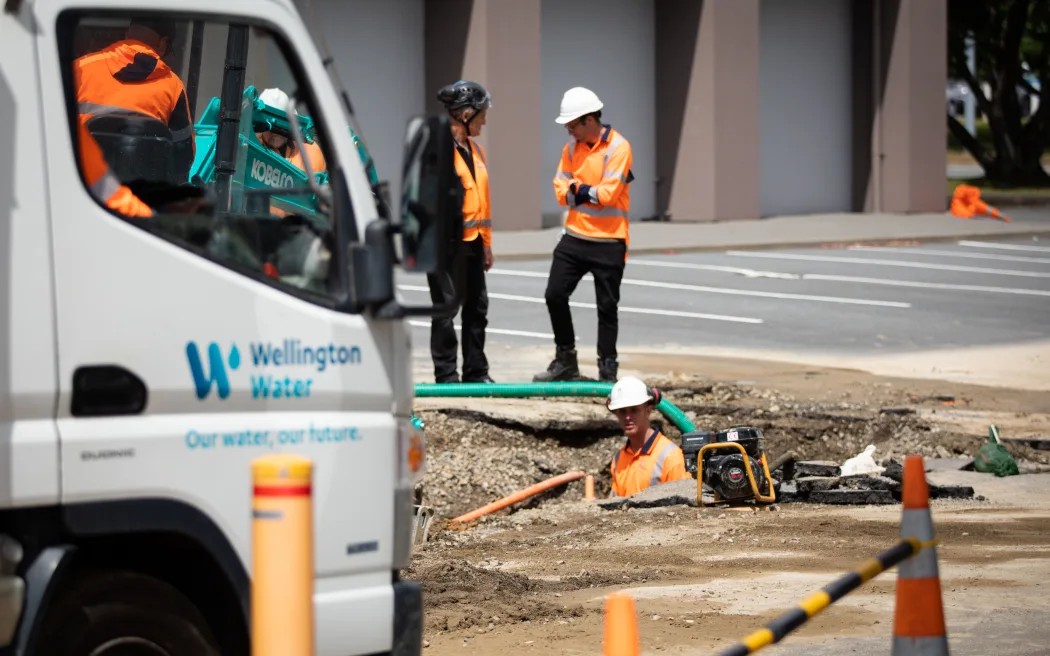
Wellington’s mayors have come and gone over the past decade, leaving little enduring mark on the city’s foundations. Each summer tells the same story: water pipes burst in one suburb after another, sending thousands of litres of treated water down the gutters before repair crews can even reach the site. A leak on my own street once ran for nearly two months before it was fixed, the team stretched thin across an ageing network. The city’s water system is tired; the councils that oversee it seem trapped between fiscal caution and infrastructural decay, running in circles with band-aid solutions while the pipes crumble beneath their rhetoric of renewal. And yet, somewhere between the fatigue of bureaucracy and the patience of ratepayers, a sliver of faith survives that Wellington, and perhaps local democracy itself, can still find the courage to repair what truly matters.
 Faultline Report