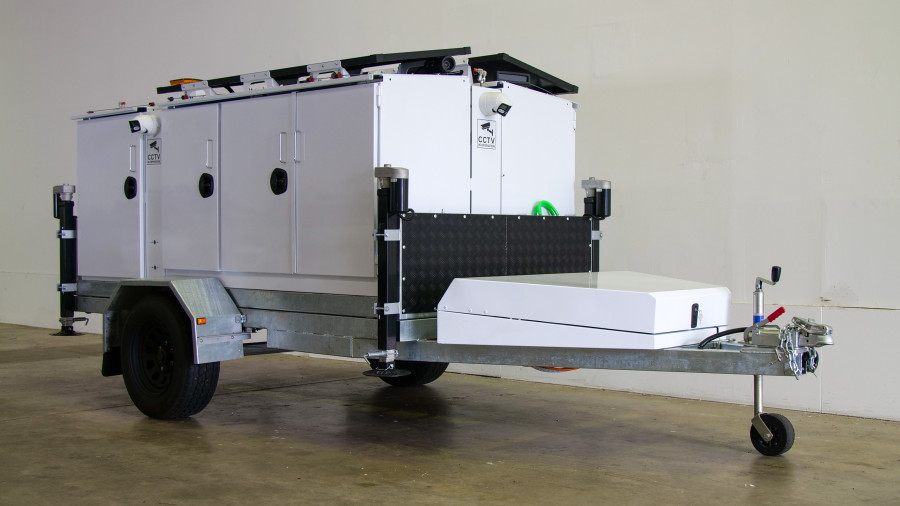
The news of New Zealand Transport Agency Waka Kotahi (NZTA) deploying mobile trailer cameras to hunt for speeders is bound to draw attention. They will catch the black-and-white of numbers, the digits on the dial, but one wonders whether justice is being done to the more complex contours of road danger.
To be fair, speed does matter. But the official data show that only about a third and certainly less than half of all crashes in New Zealand list “speed” as a contributing factor. Which is to say: the majority of crashes arise from something else. Cameras may trim away a sliver of those numbers, but they cannot touch the wider field of human behaviour that makes our two-lane highways such tense spaces.
After all, how many crashes truly happen because of a few kilometres above the limit? For years, police tried enforcing the odd figure of 104 in a hundred zone, as though three or four kilometres per hour made the difference between safety and catastrophe. It became something of a joke. An exercise in precision with little relation to lived driving. The oft-quoted “ten percent tolerance” has long been part of the folk wisdom of our highways, but officialdom seems determined to turn that grey into black-and-white.
On our open roads, the danger is often less the rebel streaking at 110 than the conversationalist who swings between 80 and 100, speed rising and falling with the story in their head. Behind them, traffic builds, restive and calculating. When an overtaking attempt finally comes, egos prickle. The once-sluggish driver suddenly surges, determined to hold position within the letter of the law, only to settle back again once the challenger has passed or decided to stay behind.
Then there are the camper vans; long white caravans of leisure, ambling through the scenery with queues stretching behind. Passing lanes, when they appear, are too often squandered. The van plods on, oblivious or indifferent, while frustration accumulates like kindling. Accidents spring not from sheer speed, but from impatience meeting obstinacy on a narrow strip of tarmac.
It is here that the policy feels askew. Cameras will dutifully log violations, but they will not cure fluctuating speeds, fragile pride, or the stubborn refusal to yield. These subtler patterns rarely show up in crash data, yet they are the lived reality of the road. And so the harder question arises: who is thinking seriously about education in behaviour? About teaching road courtesy, encouraging consistent speed, reminding drivers that pulling over is not a sign of weakness but of shared responsibility?
Until that part of the puzzle is faced, we may continue punishing decimals while leaving the human dramas of the road untamed.
 Faultline Report