This blog continues the reflections sparked by reader feedback to my earlier piece: Leadership in Crisis.
In that blog, I questioned how leadership across various sectors often fails those it claims to represent. Since then, conversations have expanded, particularly around the visible but often hollow performances of ethnic leadership in Aotearoa New Zealand.
It is now widely recognised that multiculturalism is at risk of becoming an empty word, deployed in speeches, reports, and conferences with little translation into community empowerment. The state’s desire to showcase diversity often leads to a curation of agreeable voices showcasing leaders who are polished, presentable, and apolitical. The result? A soft-focus version of multiculturalism that soothes the mainstream without disturbing it.
Many ethnic leaders today find themselves navigating a difficult space. In some cases, their advocacy roles gradually intertwine with personal career paths whether in political/public office, consultancy, or advisory work. In some cases, this also becomes a space for fanning the ego where leadership becomes less about service and more about status. The quiet tension between genuine community representation and professional advancement is compounded by an unspoken desire to hold onto leadership indefinitely, as if the position itself were a personal legacy rather than a shared responsibility. When left unexamined, such dual positioning risks diluting the transformative potential of ethnic leadership.
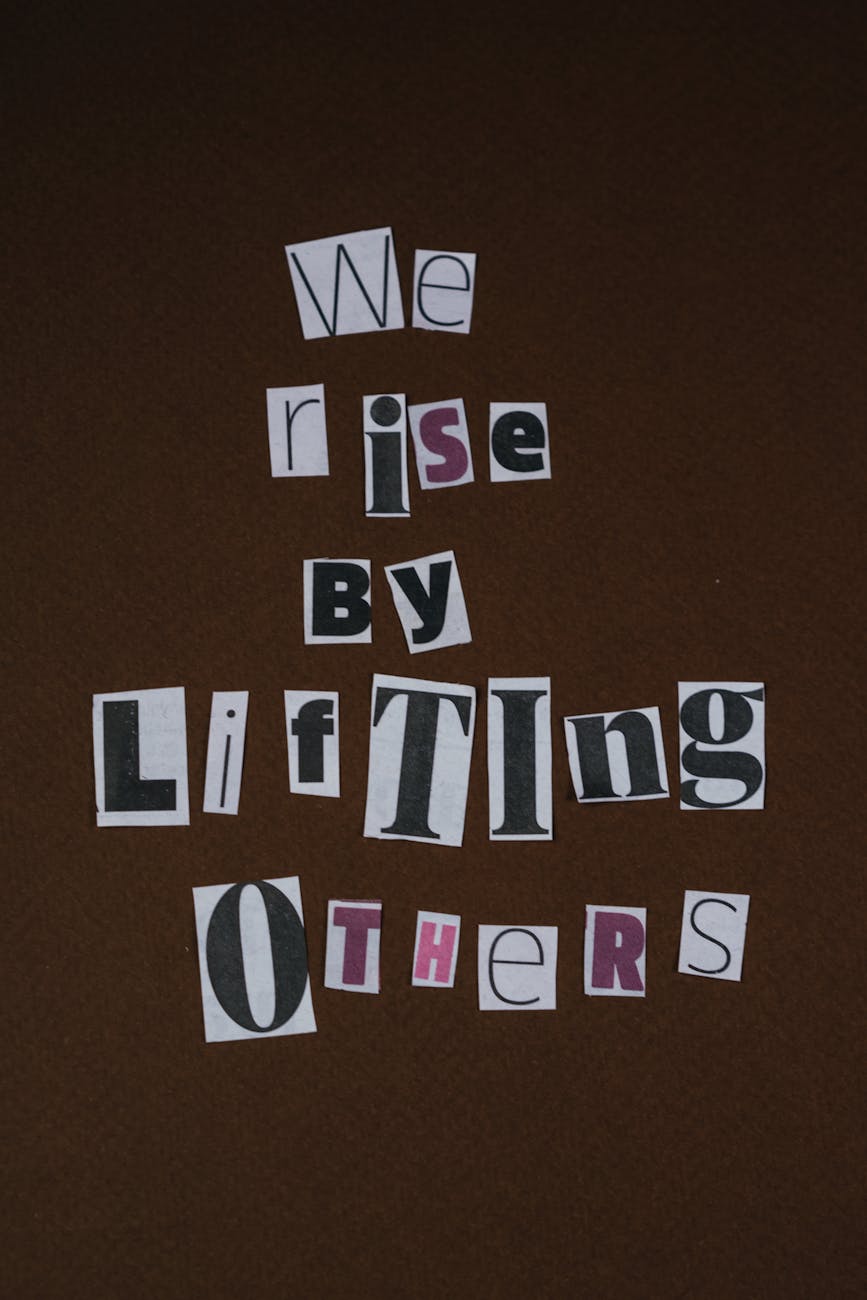
This isn’t about casting blame but about naming a pattern. The line between representing a community and leveraging that position for personal trajectory can become blurred especially when institutions reward visibility over impact.
It is time to confront the reality that many ethnic organisations have embraced tokenism not just as a symptom, but as a strategy. Leadership is rarely contested, structures are often opaque, and outcomes are measured in media coverage or photo opportunities with ministers.
Community members, especially the young, the poor, and recent migrants, see little of themselves reflected in these setups. Worse, their concerns are often filtered through leaders who are more interested in being acceptable to government than being accountable to their people.
The state and media often mistake presence for power. A high-profile ethnic event, a new report on social cohesion, or a multicultural advisory group might give the illusion of progress. But behind the scenes, there is often no lasting infrastructure, no community development, and no redistribution of resources. Ethnic leadership without grassroots visibility is not leadership, it is branding.
As Alana Lentin argues in The Crises of Multiculturalism, what is often framed as a problem of cultural difference is actually a response to deeper political anxieties about power, identity, and belonging. The “problem” is not multiculturalism itself; it is the framing of multiculturalism as a problem.
In Aotearoa New Zealand, the very labels we use — ethnic, multicultural, diverse — have political weight. Some prefer ‘ethnic’ for its clarity about minoritised status, while others favour ‘multicultural’ for its aspirational tone. But too often, both terms become containers for administrative convenience, not community truth. The fight over nomenclature isn’t trivial, it reflects a deeper struggle over who gets to define the narrative.
If we are to rebuild trust in ethnic leadership, we need tools to evaluate it critically. Here is a working checklist:
- Community Accountability: Who elected or endorsed this leader? Are they answerable to a community body or just self-appointed?
- Policy Courage: Has the leader taken a public stand on difficult issues, even when inconvenient?
- Resource Redistribution: Has their work led to new jobs, services, or funding for their community, or only for their own office?
- Transparency: Are their organisational finances, governance structures, and partnerships open to scrutiny?
- Intergenerational Involvement: Do they mentor new leaders or gatekeep their position?
- Public vs Private Alignment: Do their public messages match their private consultancy work or political dealings?
- Cross-cultural Solidarity: Do they build bridges with tangata whenua and other ethnic groups, or compete for visibility?
This is not about tearing people down. It is about demanding better from those who claim to lead us. Real leadership does not fear scrutiny. It grows from it.
We are not short of talent or passion in Aotearoa’s diverse communities. What we lack is a culture of transparent, accountable, and courageous leadership. As funding tightens, as racism resurfaces in subtler ways, and as government retreats from bold commitments, we need leaders who don’t just fit the moment but shape it.
This conversation is ongoing. I welcome your reflections, disagreements, and additions.
 Faultline Report