Born in this land, raised under its skies, shaped by its seasons, yet feeling the quiet ache of not quite belonging. What is it, truly, to call a place home? Is it where your first words formed, where your name was written on school rolls, where you laughed through muddy games and sang the national anthem with unthinking ease? For most, this sense of place is effortless, instinctive. But for some children born into its embrace in Aotearoa New Zealand, the question is more complicated.
On the first day of 2006, a quiet change in law redefined what it meant to be a citizen. In response to a handful of foreign visitors arriving with the intention to give birth and secure citizenship for their children, Parliament narrowed the gates. From that moment on, being born on New Zealand soil was no longer enough. One parent had to be a citizen or a permanent resident. The law was specific. Its consequences, less so.
Now, nearly two decades on, as those children enter adulthood, we are beginning to see the legacy that shift has left behind.
There exists a generation of young people who have known no other home than New Zealand and who nonetheless remain outside its legal embrace. They speak with Kiwi rhythms, carry childhood memories stitched with pōhutukawa summers and school assemblies, yet are regarded, bureaucratically, as visitors. Or worse—strangers.
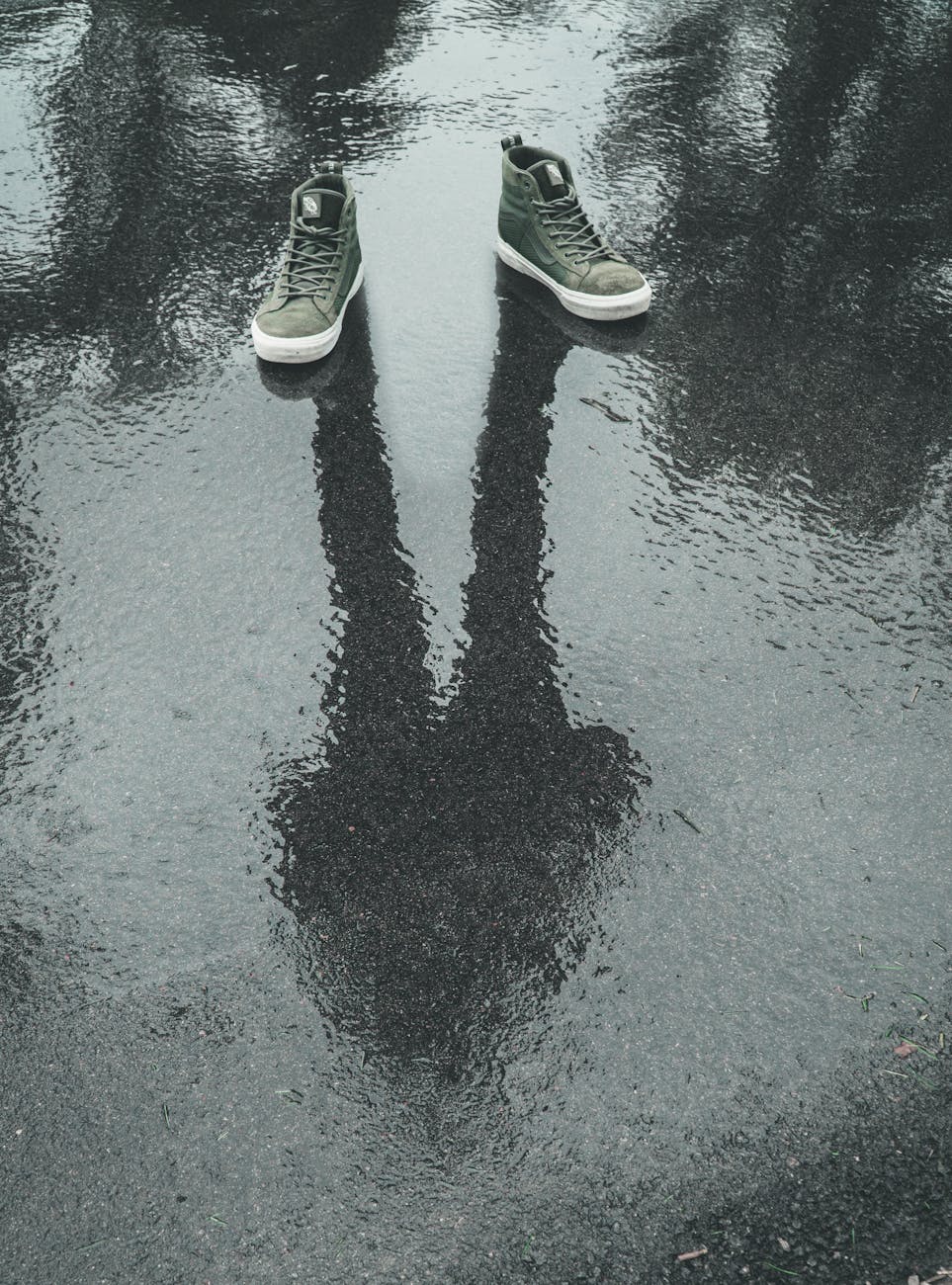
These children live in a shadowed space. They cannot travel on a New Zealand passport. They face barriers to study, to work, to dream freely. Their lives are often shaped by their parents’ precarious visa statuses, and for some, the unimaginable looms: the threat of removal from the only country they’ve ever known.
This condition—of being here, and not fully here—carries a toll. The weight of uncertainty saps the spirit. It fosters caution where there should be confidence, hesitation where there might have been boldness. These are young people who could lead, create, contribute—yet instead learn to shrink, to wait, to ask for less.
And so, we ask: is this what we intended?
If a child has been born here, raised here, educated here and if they have pledged their laughter, effort, and identity to this place, should they not be recognised as part of it?
Voices are beginning to rise. Among them, the NZ Council of Sikh Affairs has called for a clear and principled shift that children who have lived their entire lives in Aotearoa should be granted citizenship on turning eighteen. Also urging a one-time ministerial amnesty, a gesture of compassion and reason to resolve these quiet injustices and offer stability where only uncertainty has lived.
What we owe these young people is not charity, but fairness. Not sympathy, but recognition.
They were born here. They grew up in our neighbourhoods, sat in our classrooms, played on our fields. The time has come to affirm, clearly and kindly, that they belong here.
 Faultline Report